Why Hyun-Ju is a morally superior character than Gi-Hun
The debate between Seong Gi-hun (Player 456) and Hyun-ju (Player 120) isn't just a clash of personalities; it’s a collision of two fundamentally different ethical systems. While Gi-hun is the protagonist we’ve rooted for, his arc in the later seasons transforms him into a figure of utilitarian zealotry.
Hyun-ju, conversely, occupies a space of deontological purity—doing what is right because it is inherently right, regardless of whether it "wins" the war against the Front Man.
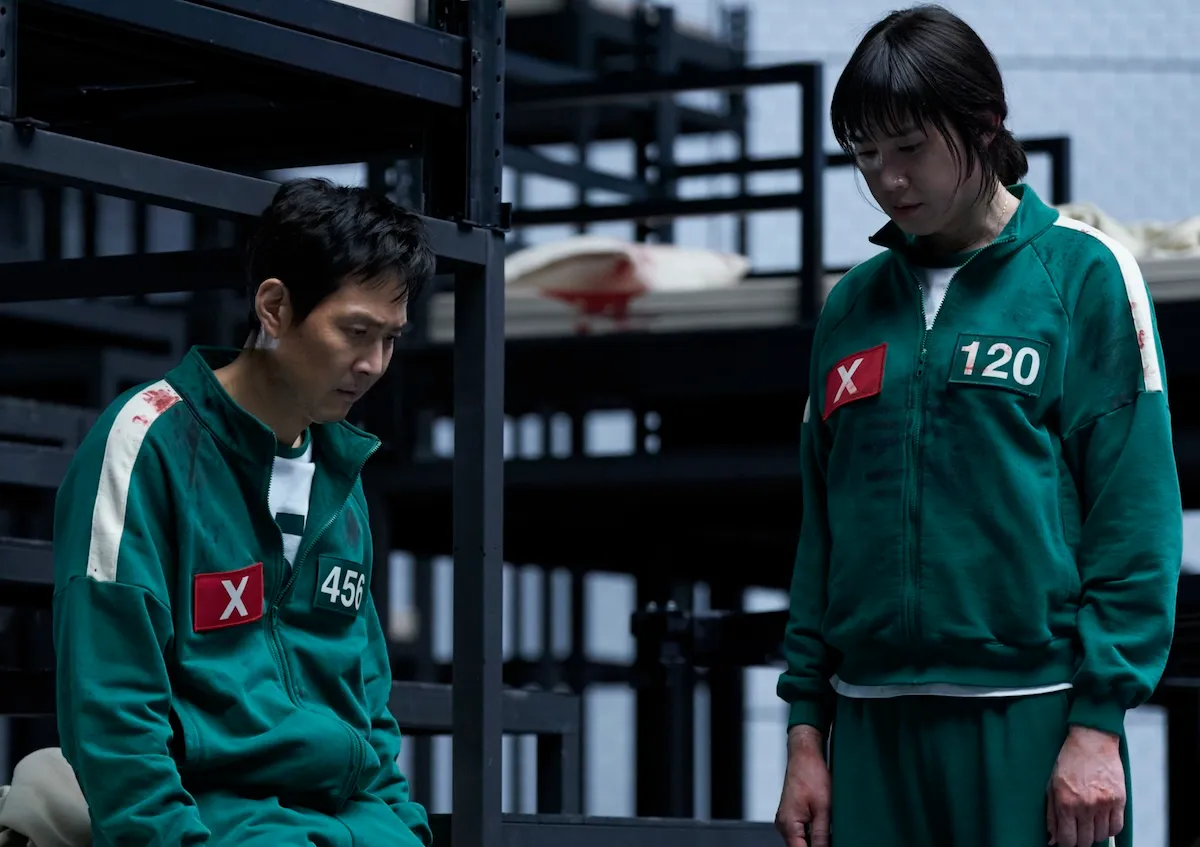
1. The Corruption of the "Savior Complex"
By Season 2 and 3, Gi-hun is no longer an innocent victim. He is an obsessed vigilante. His morality has become "The Ends Justify the Means." He is willing to manipulate, put players at risk, and even leverage the mechanics of the game if it means taking down the organization.
Gi-hun’s Failure: He treats the other players as "resources" for his revolution. In his mind, their individual deaths are tragic but necessary stepping stones toward his ultimate goal of destroying the system.
Hyun-ju’s Superiority: Hyun-ju refuses to play the "Big Picture" game. For Player 120, the life of the person standing next to them is worth more than a hypothetical future where the games don't exist. Hyun-ju preserves the sanctity of the individual, while Gi-hun has begun to think like the VIPs—calculating human lives as variables in a larger strategy.
2. Performative Guilt vs. Radical Empathy
Gi-hun’s kindness is often a reaction to his own shame. He helps others to prove to himself that he "isn't a monster." It’s a internal battle for his own soul, which makes his altruism somewhat self-serving.
"Gi-hun needs to be the 'good guy' to live with himself. Hyun-ju is simply 'good' because they cannot conceive of being anything else."
Hyun-ju’s actions lack this layer of psychological baggage. Whether it’s sharing a meager ration or offering a moment of genuine human connection in the dark, Hyun-ju’s empathy is radical because it doesn't seek a narrative payoff. It is a quiet, steady flame that doesn't flicker when the cameras aren't on them.

3. The Trap of the "Avenger"
There is a moral high ground in refusing to be changed by your enemy. * Gi-hun has let the Front Man move into his head. He has dyed his hair, hardened his heart, and adopted the language of violence. He is becoming a mirror image of the system he hates.
Hyun-ju represents the ultimate victory over the Squid Game: Incorruptibility. By maintaining a gentle spirit in an environment designed to produce beasts, Hyun-ju proves that the human soul is not a commodity. Gi-hun’s morality is "reactive"—it depends on what the game throws at him. Hyun-ju’s morality is "intrinsic"—it comes from within and remains unchanged by the horrors of the dormitory.
Conclusion: The Cost of the Crown
Gi-hun is a fascinating character because he shows us how "good" people can be warped by a noble cause. He is the hero we get when we prioritize "winning" over "being."
Hyun-ju is morally superior because they understand what Gi-hun has forgotten: You cannot save humanity by sacrificing your own. If Gi-hun destroys the Squid Game but loses his soul in the process, the Game has still won. Hyun-ju, even in potential defeat, remains the only character the system truly failed to break.
// 0 comments
Sign in to leave a comment